
A Kodiak brown bear with two cubs walks along a riverbank with green grass behind them. On the left, orange text reads Kodiak Brown Bear Center Lodge above a bear paw print.

When Kodiak brown bears emerge from their dens after winter hibernation, they don’t immediately return to full activity. Instead, they go through a transitional phase and specific behavioral patterns dictated by their physiology and the available food sources on the archipelago.

Here is what generally happens during that early spring period

Waking Up: "Walking Hibernation"

Bears do not wake up with fully restored metabolic functions. For the first two to three weeks after emerging (usually in April for males and May for females with cubs), they enter a state often called walking hibernation.

Metabolism: Their metabolism remains lower than normal. They may eat very little and drink less water than usual during this time.

Lethargy: They are often lethargic and spend a significant amount of time sleeping or resting near the den site before moving to lower elevations.

Once they become more active, they descend from their mountain dens (often located at 1,000–3,000 feet) to the valleys and coastlines. The snow melts earlier at lower elevations, making movement easier and exposing the first food sources.

mama-bear-sow-and-cubs-young-dan-m-lee
Dan M Lee - Late Spring Cubs

Early Spring Diet (Scavenging and Grazing)

Since the salmon runs—the staple of the Kodiak bear’s diet—haven’t started yet, bears must rely on what is available. This is often the leanest time of year for them.

Beach Combing: They head to the beaches to scavenge for marine debris, washed-up carcasses (whales, seals, or sea lions), and invertebrates like clams or crabs during low tide.

Vegetation: They graze on early spring vegetation. This includes sedges, grasses, horsetail, and skunk cabbage. These plants are high in protein during their early growth stages and help restart the bear’s digestive system.

Winter-Kills: They will opportunistically feed on deer or elk that did not survive the winter.

Mating Season Preparation

By late May and into June, the focus begins to shift toward mating.

Social Dynamics: Adult males (boars) begin to roam widely in search of females (sows). This is one of the few times outside of salmon fishing where large numbers of bears may interact, though often aggressively.

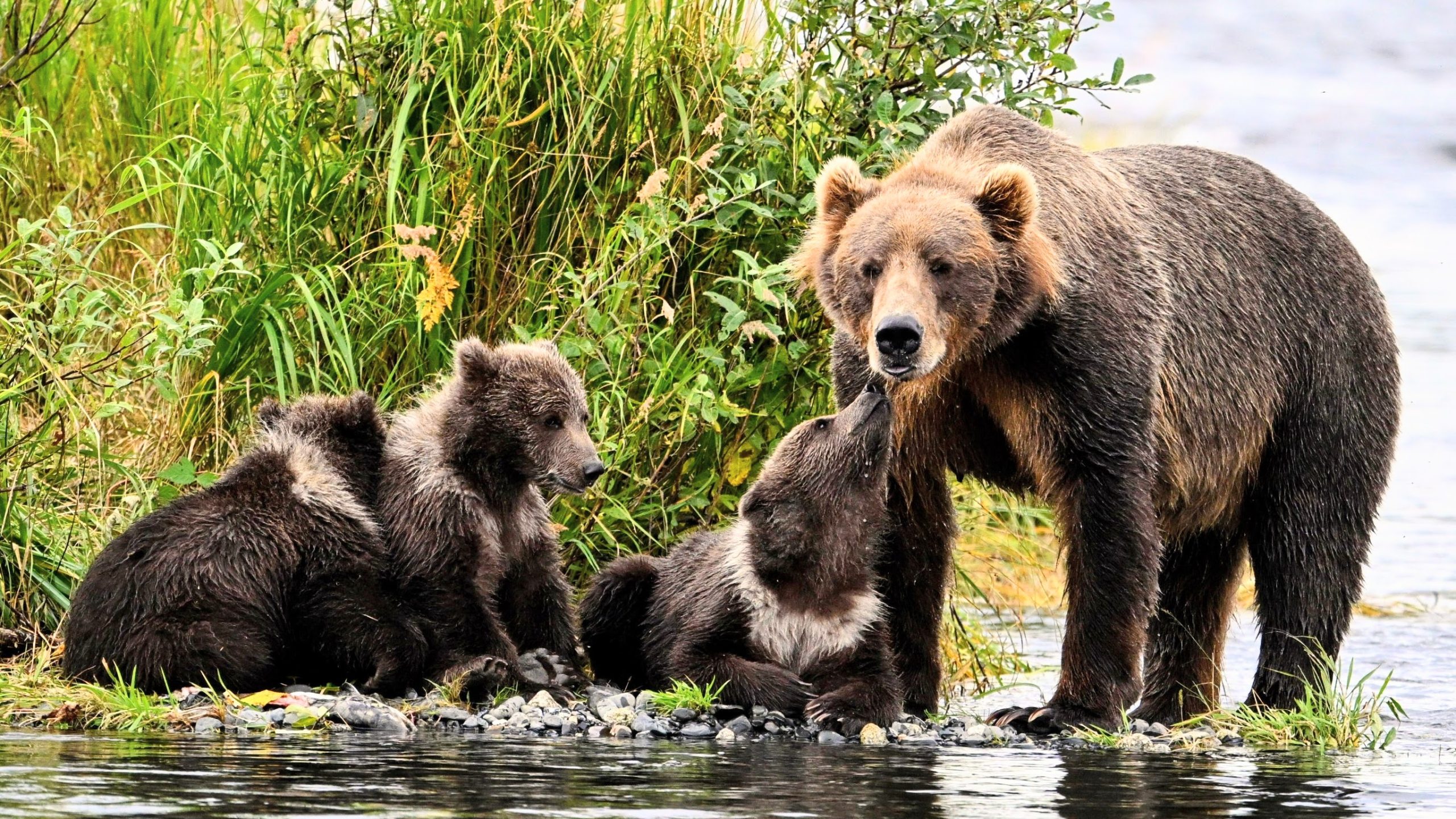
Mother and Cubs: Sows with new cubs (cubs-of-the-year) are extremely cautious during this time to avoid aggressive males, often sticking to more rugged terrain or specific safe zones.

bear viewing and fly fishing in Alaska

Ready for an adventure?