do Kodiak bears hibernate

The Kodiak Bear’s Winter Snooze: To Hibernate or Not to Hibernate?

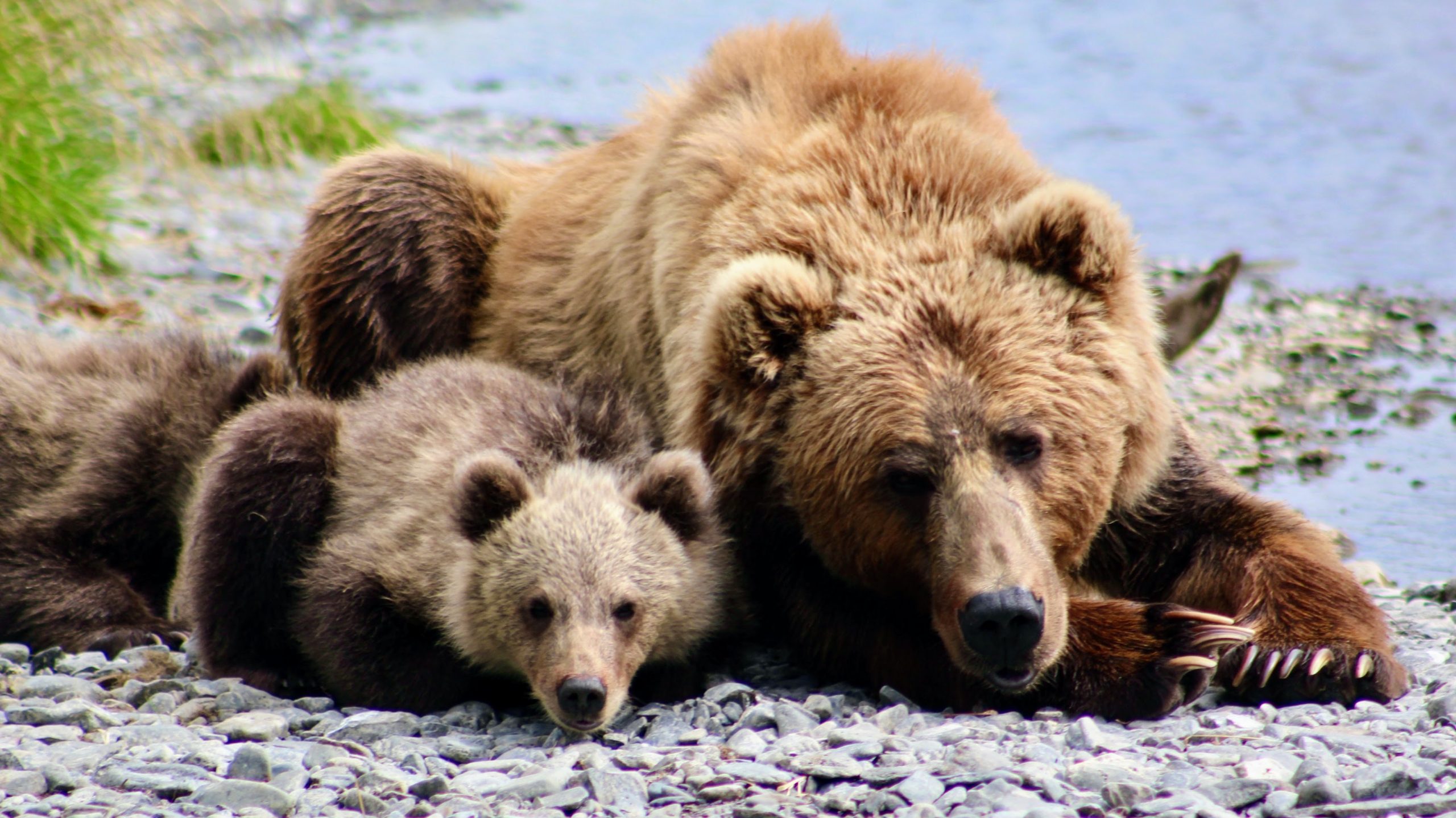
A Kodiak brown bear sits with two cubs in green foliage. On the left, orange text reads Kodiak Brown Bear Center Lodge above a bear paw print logo.

Here at the Kodiak Bear Center, we get a lot of questions about our furry, ten-foot-tall neighbors.

One of the most common is: do Kodiak bears hibernate? The answer is a bit of a “yes, but…” and it’s one of the things that makes these bears so fascinating!

Most of our Kodiak brown bears do indeed take a long winter’s nap. Around late October, you’ll find them starting to retreat to their dens, which they’ve dug into the sides of hills or mountains. First to turn in are the pregnant females, who need a safe, quiet place to give birth to their cubs in the heart of winter. The males are the last to call it a season, and the first to emerge in the spring, usually around April.

KBBC
Experience World-Class Bear Viewing
All-inclusive stays from 4 to 8 days on Kodiak Island, Alaska
Check Availability

Plot Twist

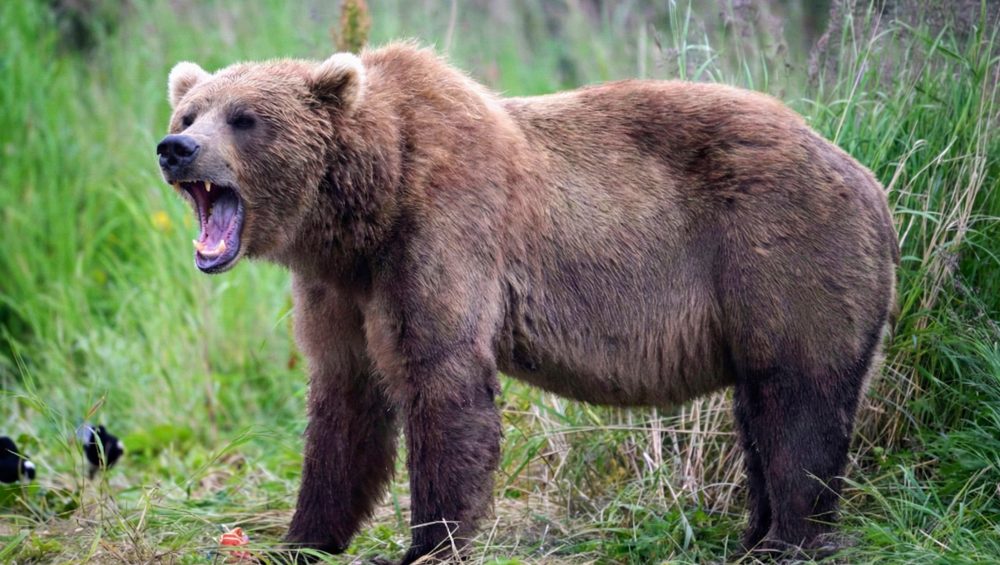
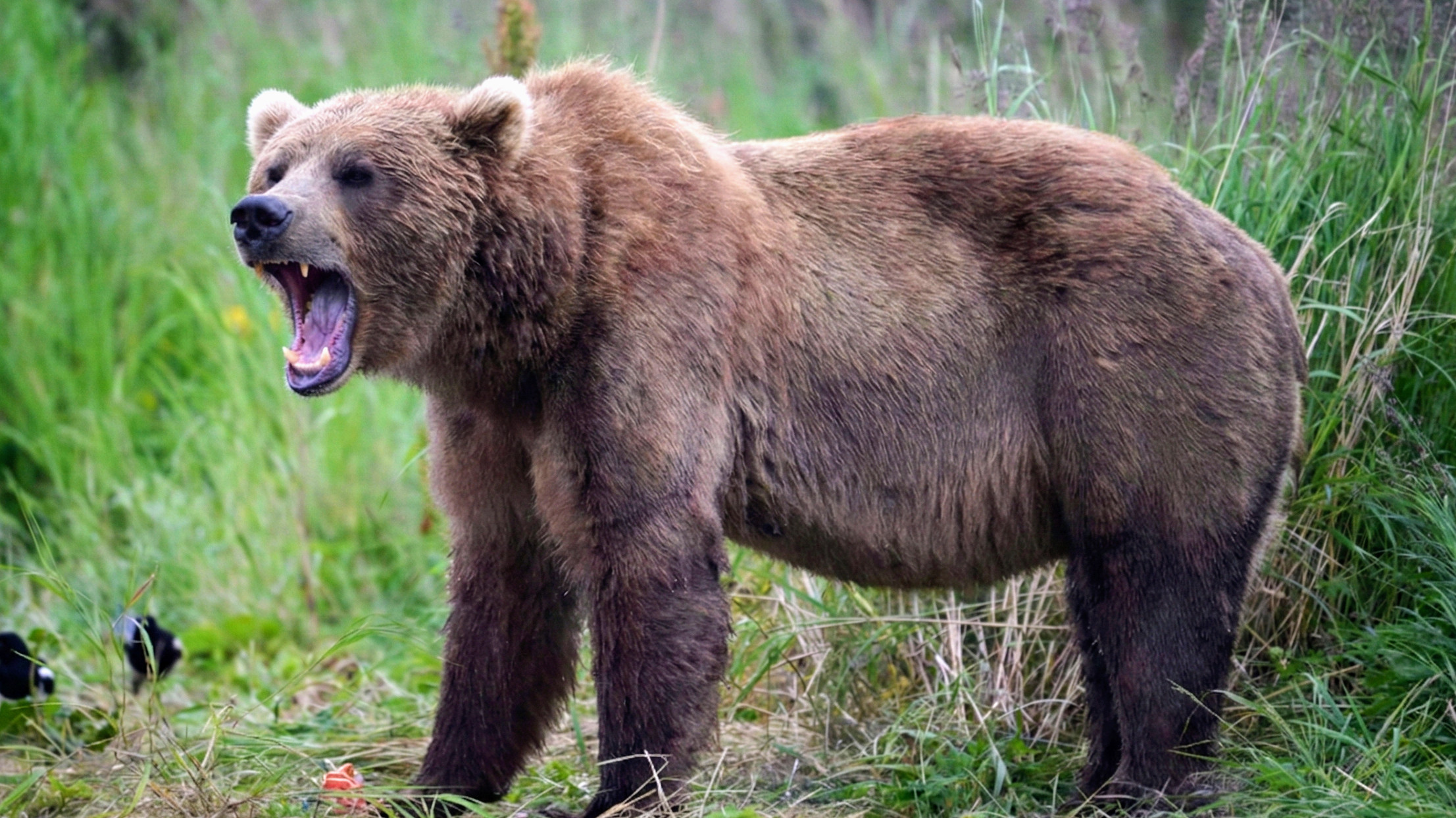
But here’s the twist: not all Kodiak bears hibernate! Due to the surprisingly temperate climate of the Kodiak Archipelago, and the late salmon runs, some bears—mostly tough old males—will stay active all winter.

Imagine a bear with a bad case of FOMO (Fear Of Missing Out on snacks)! These “ice bears,” as they’re sometimes called, are a testament to the Kodiak bear’s adaptability.

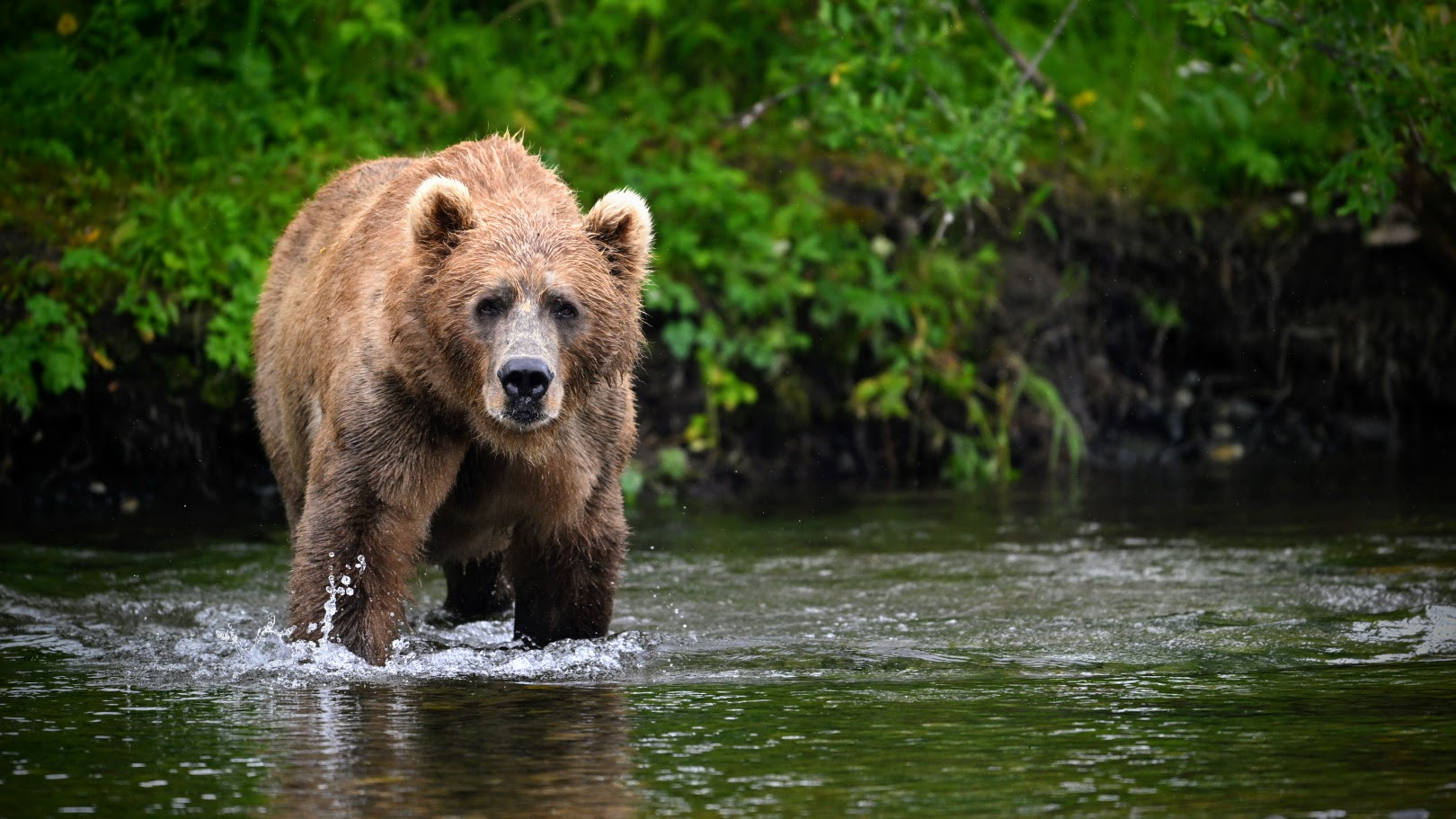
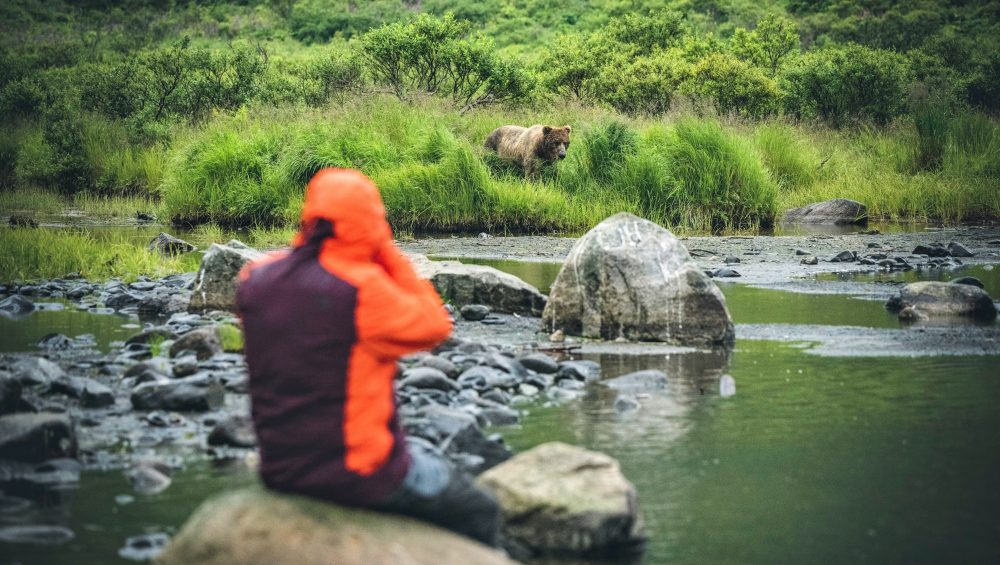
do kodiak bears hibernate picture of bear walking by river bank
Dan M Lee

How is this different from other bears?

Well, while black bears are committed hibernators, and grizzly bears (the Kodiak’s smaller mainland cousins) also den up for the winter, our Kodiak bears play by their own rules.

Polar bears, on the other hand, have a different strategy altogether. Only pregnant polar bears will den. The rest are out and about, toughing out the harsh Arctic winter.

From Encounter to Familiarity

The unique winter habits of the Kodiak bear make them a truly special part of the Alaskan wilderness. It’s a reminder that nature is always full of surprises.

bear viewing and fly fishing in Alaska

Ready for an adventure?

Discover how the Kodiak Bear Center and its partners work to conserve the iconic Kodiak bear through research, habitat protection, education, and sustainable tourism.

Guardians of the Island: How We Work to Conserve the Kodiak Bear

How We Work to Conserve the Kodiak Bear

The Kodiak bear is a global icon of wildness and power, a symbol of the untamed spirit of Alaska. For us at the Kodiak Bear Center, our name carries with it a profound responsibility: to not only celebrate this magnificent animal but to serve as dedicated guardians of its future. The long-term health of the Kodiak bear population is the result of a deliberate, science-based, and cooperative conservation effort.

We want to share how we, along with our vital partners, work to ensure these titans of the Emerald Isle continue to thrive.

A Partnership for Protection

First and foremost, it’s crucial to understand that no single entity conserves the Kodiak bear alone. Our work is part of a collaborative stewardship effort. We work closely with the Kodiak National Wildlife Refuge, which protects two-thirds of the archipelago, and the Alaska Department of Fish and Game (ADF&G), the state agency responsible for managing the bear population. This partnership is the bedrock of Kodiak bear conservation, ensuring that decisions are guided by shared data, rigorous science, and a mutual commitment to the bear’s well-being.

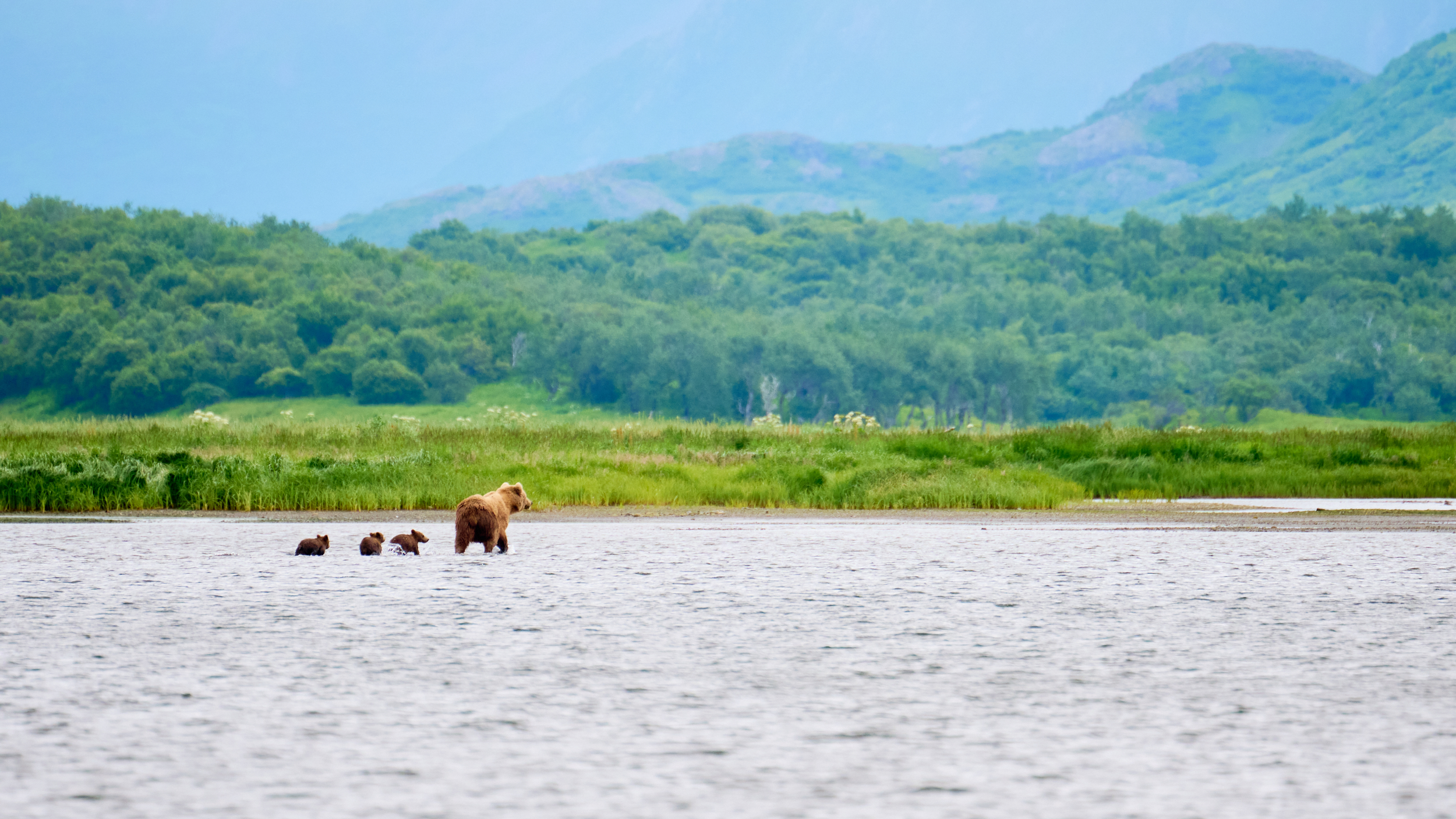
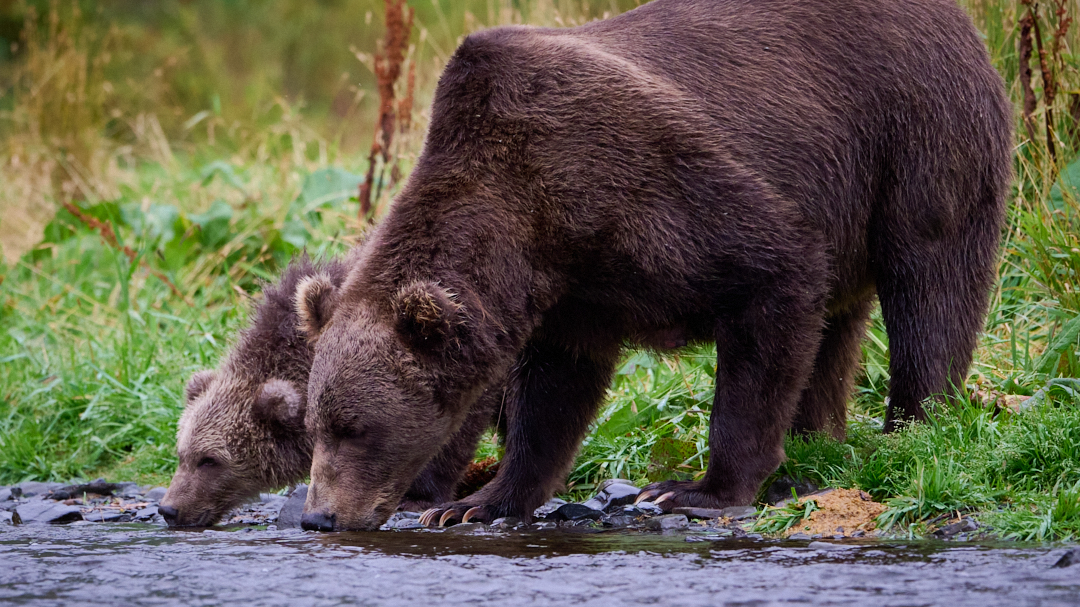
Sow Female Bear With Young
Dan M Lee

Research and Monitoring: The Foundation of Conservation

Effective conservation begins with deep understanding. A key part of our mission is supporting the ongoing research that allows managers to make informed decisions. Biologists from ADF&G conduct regular aerial surveys to estimate population density and track trends across the archipelago. They also perform health assessments and biological studies that provide invaluable data on everything from diet and genetics to survival rates of cubs and adults.

This research helps us answer critical questions: How is the bear population responding to changes in salmon runs? What are the long-term effects of climate shifts on their habitat and food sources? By understanding the challenges bears face, we can better advocate for policies and practices that protect them.

Habitat Protection: Preserving the Home of the Bear

A bear is only as healthy as its habitat. The Kodiak Archipelago is a pristine wilderness, and keeping it that way is paramount.

Our focus is on promoting minimal-impact human activity and advocating for the protection of critical resources. This means safeguarding the salmon-spawning rivers that are the lifeblood of the ecosystem. It involves championing the vast tracts of Sitka spruce forests and the berry-rich hillsides where bears forage. By ensuring the core of their habitat remains wild and undeveloped, we give bears the space and resources they need to flourish without significant human conflict.

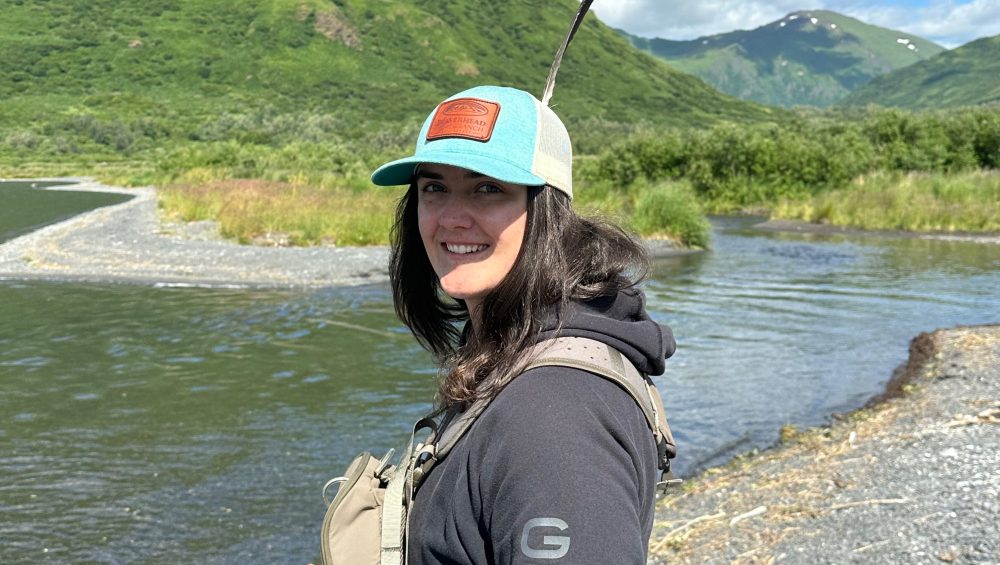
fallon parker kbbc guide bears
Fallon Parker

Education and Sustainable Tourism

This is where you, our visitors, become part of the conservation story. We believe that a well-informed public is one of the most powerful forces for conservation. Through our guided experiences and educational outreach, we teach the principles of “Bear Aware” safety and ethical wildlife viewing. We aim to transform visitors from passive observers into active stewards of the environment.

Our operational philosophy is built around sustainable tourism. We ensure our viewing activities do not disturb the bears’ natural behaviors. By demonstrating that a healthy bear population can be a cornerstone of a thriving local economy, we create a powerful incentive for continued conservation.

When you visit us, you are not only witnessing these animals in their natural habitat; you are contributing to the very framework that protects them.

A Shared Future

The conservation of the Kodiak bear is a story of foresight and commitment. It’s a testament to what can be achieved when government agencies, local communities, and dedicated organizations work together. As guardians of this incredible resource, our promise is to continue this legacy of stewardship, to base our actions on sound science, and to inspire a global community to care about the future of the Kodiak brown bear.

bear viewing and fly fishing in Alaska

Ready for an adventure?

fallon parker kbbc guide life of a remote guide

Life of a Guide at KBBC

a season with our guide at kbbc

Here at the Kodiak Brown Bear Center, we provide a unique window into the world of the Kodiak Brown Bear on the remote shores, inlets around Karluk Lake. Our philosophy is rooted in respect, ensuring that every encounter is a safe and minimally invasive experience for both our guests and the bears themselves.

Central to this mission are our dedicated guides. Their deep understanding of bear behavior and commitment to conservation allows for moments of profound connection. To truly convey the power of these experiences, we believe it’s best to hear directly from them.

The following piece is a personal reflection from one of our seasoned guides Fallon Parker. It chronicles her journey from her first youthful, heart-pounding bear encounter to the deep, mutual trust she has since cultivated with the bears of Karluk Lake. Her story is a testament to the remarkable relationships that can form when these powerful animals are met with patience and understanding, and it perfectly captures the spirit of what we do. We are proud to share her perspective.

Bears First

Being born and raised in Montana, I had experience being around bears, but nothing that prepared me for my first encounter with the infamous Kodiak Brown bear. I was 18 years old, had just finished high school and began working as a guide on a Blacktail deer hunt for a client. I was instructed to be out front of the group and warned to keep my eye out for bear. Proceeding on high alert, I kept my eye out for bear and the deer we were pursuing. As I ventured through the brambles (Alders), I became aware of a very distinct smell. A musky, potent stink, Bear. I stopped dead in my tracks.

With my head on a swivel, I searched for any sign of movement or sound, knowing full well these Bruins are capable of moving through brush undetected. I finally caught sight of the biggest bear I had ever laid eyes on and it was staring right back at me. My heart sank, but I realized we were both out there for the same reason.

We were in his world so I backed off and allowed him to proceed along his path. He granted us the same courtesy, never to be seen again.

Limited to 8 Guests

Your Private Alaskan Wilderness Retreat Awaits

Stay in private cabins on Karluk Lake — home to the highest concentration of Kodiak brown bears. All-inclusive packages from $5,600 pp.

View Packages → or call +1 877-335-2327
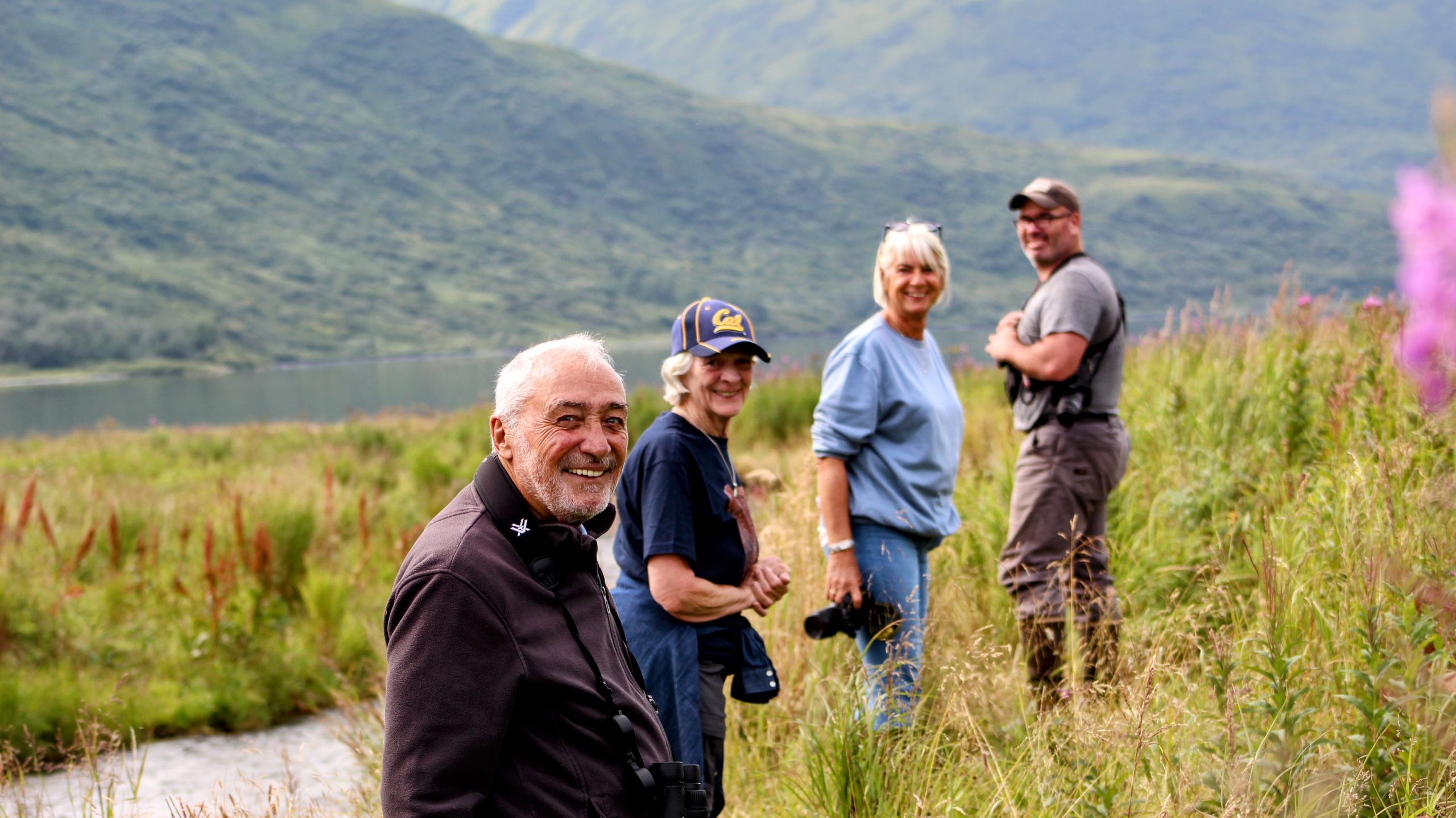
Four adults stand in a grassy field near a lake, smiling at the camera. Green hills are in the background, and one person holds binoculars. The atmosphere appears relaxed and outdoorsy.
Fallon Parker

A Lesson in Trust

Pursuing the life of an outdoorsman, I have had many more Kodiak Brown bear encounters. My favorite will always be when I started as a guide at the Kodiak Brown Bear Center (KBBC) on Karluck Lake.

It was the summer of 2021, my first time guiding for KBBC. I remember walking out on the trail, asking myself “what am I doing? Purposely walking up to a bear?” This was a whole new world for me as we approached my first bear on the river. I was fighting my natural response of shouting and getting the bear to move away. I looked upon this beautiful mama bear and her second year cubs and realized she had no stress or concern for us. This magnificent animal trusted us and knew we weren’t there to harm her, only to capture her beauty and motherhood.

KBBC
Experience World-Class Bear Viewing
All-inclusive stays from 4 to 8 days on Kodiak Island, Alaska

Check Availability

From Encounter to Familiarity

Since that first exhilarating encounter with the Kodiak Brown bear, I have realized as I start my fourth season at the center, that I have fallen in love with both the encounters and the bears themselves. I have become familiar with each bear‘s personality and face. I can recognize each bear on site. I’m so thankful that these bear encounters have offered me the opportunity to learn about these beautiful creatures through observation. For example, each animal has their own style of fishing. A younger bear may exert themselves running after the fish, but the more mature bears wait patiently for the fish to come to them.

The ultimate expression of trust came when a mother bear, deeming us no threat, walked off to fish and left her young cubs of the year in our care. We became unwitting babysitters, watching in awe as her cubs tumbled and played in the grass nearby, completely at ease with our presence. It was a profound and unforgettable moment of acceptance.

fallon parker kbbc guide bears
Fallon Parker

An Invitation to Witness Wonder

I have come to realize how fortunate an opportunity I have been given here at KBBC, to experience these once in a lifetime encounters with these magnificent animals. The Kodiak Brown Bear Center has offered all of us the chance to experience these infamous creatures in their natural habitat. These animals allow us an opportunity to become a part of their everyday life. Survival. Resilience. Strength. Come see for yourself.

bear viewing and fly fishing in Alaska

Ready for an adventure?

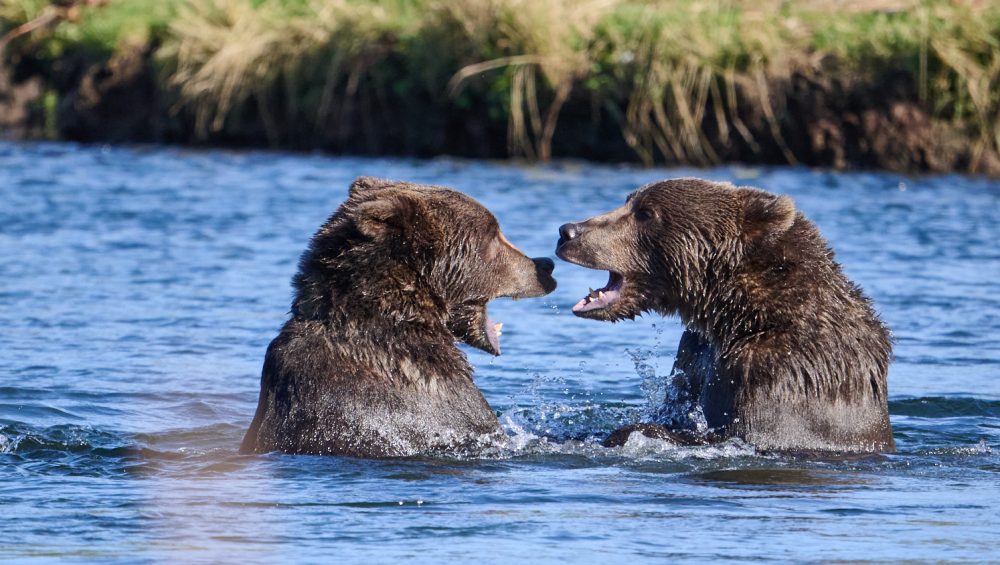
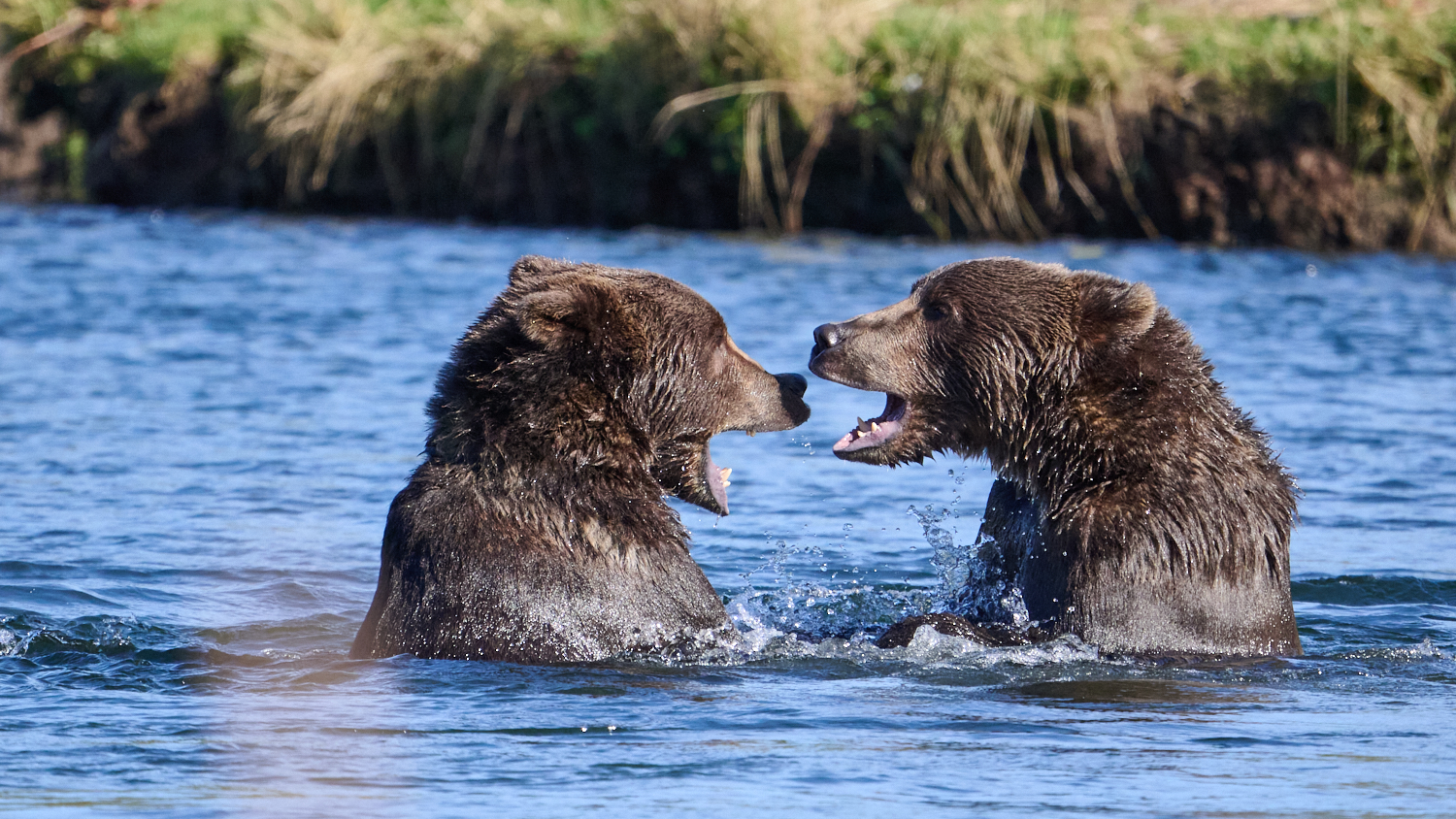
fighting sow bears kodiak island

The Fierce Protector: Why Kodiak Sows Fight

fighting sow bears kodiak island

When you picture a Kodiak bear, the first image that likely comes to mind is one of immense power and untamed wilderness. The largest brown bears in the world, command respect.

But for the female Kodiak, the sow, this power is channeled into a fierce, unwavering protectiveness that defines her existence.

For nature enthusiasts who travel to the Alaskan wilderness for a glimpse of these animals, understanding the motivations behind a sow’s aggression is key to appreciating her remarkable life.

Primal Defense

The primary reason a Kodiak sow will engage in a fight is the most primal instinct of all: to protect her young. After emerging from their dens in the spring, sow and cubs are at their most vulnerable. The greatest threat to the cubs is not from other predators, but from adult male bears, or boars. These massive males will sometimes kill cubs, a behavior known as infanticide. This is a brutal reality of the wild, and a sow will go to extraordinary lengths to defend her offspring.

She becomes a fortress of fur and fury, willing to take on a much larger male to ensure her cubs’ survival. This is not a choice, but a necessity, and a testament to the powerful maternal bond that drives her.

KBBC
Experience World-Class Bear Viewing
All-inclusive stays from 4 to 8 days on Kodiak Island, Alaska
Check Availability
fighting sow bears kodiak island
Dan M Lee

It's My Patch

Competition for resources is another major factor that can lead to conflict. The Kodiak Archipelago, while rich in food sources like salmon and berries, is also a competitive environment.

A sow with cubs to feed needs to secure the best fishing spots and berry patches. She must be assertive and, at times, aggressive to defend these vital resources from other bears.

Her ability to provide for her young is directly linked to her willingness to fight for her territory and her share of the bounty.

Survival Instinct

While a sow’s ferocity is undeniable, fighting is often a last resort. Kodiak bears have a complex social structure and a “language” of body postures and vocalizations that they use to communicate and avoid conflict. A sow would rather intimidate a rival than engage in a physical altercation that could risk injury to herself or her cubs. However, when these warnings are ignored, or when a direct threat to her young is perceived, she will not hesitate to fight with a ferocity that is unmatched in the animal kingdom.

For those who have the privilege of bear viewing in places like the Karluk Lake area, witnessing the interactions of a sow and her cubs is a profound experience. It’s a raw and unfiltered look into the heart of the wild, where the tender act of nurturing is backed by an incredible display of strength and courage.

The Kodiak sow is a powerful symbol of the lengths a mother will go to protect her family, a fierce and unwavering guardian of the next generation.

bear viewing and fly fishing in Alaska

Ready for an adventure?

kodiak brown bear on back legs standing up

How Tall Is a Kodiak Brown Bear?

kodiak brown bear on back legs standing up

When we think of bears, size is often one of the first things that comes to mind. And when it comes to size, the Kodiak brown bear is a true titan of the wilderness.

Found exclusively on the islands of the Kodiak Archipelago in Alaska, are one of the largest bear species on Earth. But just how tall do they get? The answer, as you might expect, is impressively tall.

On All Fours

Even on all fours, a mature male Kodiak bear is a sight to behold. A large male can measure up to 5 feet at the shoulder. To put that into perspective, that’s as tall as a truck tire and it means their back would be level with the average person’s chest. Females, while still very large, are about 20% smaller than males.

This impressive height is a result of their powerful build and the massive muscles in their shoulders and back. These muscles are essential for digging for roots, tearing into logs for insects, and, of course, for powering their way through the dense Alaskan wilderness.

kodiak brown bear on back legs standing up
Dan M Lee

Standing Tall

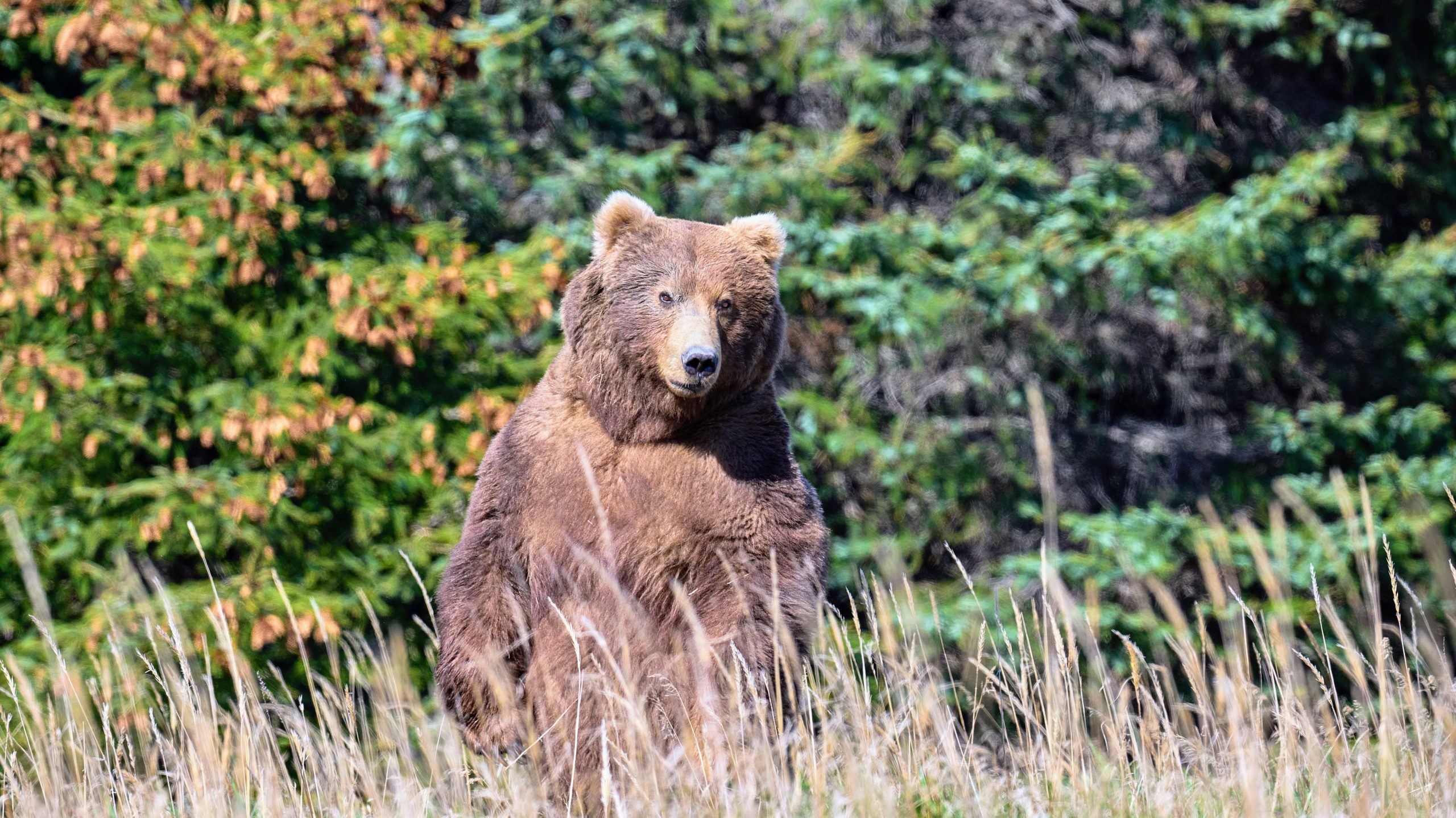
But the true measure of a Kodiak bear’s height is when it stands on its hind legs. When a large male Kodiak bear rears up, it can tower over its surroundings, reaching a staggering height of over 10 feet. That’s taller than the average ceiling in a modern house.

This towering posture serves several purposes. It gives them a better vantage point to survey their surroundings, to catch a scent on the wind, or to get a better look at a potential threat or rival.

Limited to 8 Guests

Your Private Alaskan Wilderness Retreat Awaits

Stay in private cabins on Karluk Lake — home to the highest concentration of Kodiak brown bears. All-inclusive packages from $5,600 pp.

View Packages → or call +1 877-335-2327

A Giant Among Bears

The Kodiak bear’s incredible height and size are a testament to the unique environment in which they live. The rich and abundant food sources of the Kodiak Archipelago, particularly the seasonal salmon runs, provide them with the fuel they need to grow to such massive proportions. Their isolation on the islands has also played a role, allowing them to evolve into the giants we see today.

So, the next time you see a picture or video of a Kodiak bear, take a moment to appreciate their incredible size. Whether they’re on all fours or standing tall, these bears are a powerful and awe-inspiring symbol of the wild.

bear viewing and fly fishing in Alaska

Ready for an adventure?

what-makes-the-kodiak-brown-bear-different

Why Kodiak Bears Are Different To Other Bears

A Kodiak brown bear stands in a stream with rocks, surrounded by green foliage. To the left, orange text reads “Kodiak Brown Bear Center Lodge” above an orange bear paw print.

The world of bears is diverse, with each species and subspecies uniquely adapted to its environment. Among these amazing creatures, the Kodiak bear (Ursus arctos middendorffi) stands out as a true giant of the animal kingdom. Native to the islands of the Kodiak Archipelago in Southwestern Alaska, these bears are more than just large brown bears; they are a unique and fascinating subspecies with a story all their own.

So, what exactly sets Kodiak bears apart from their mainland “grizzly” cousins and other bear species?

A World of Their Own: Geographic Isolation and Size

The most striking difference is their sheer size. Kodiak bears are one of the largest bear species in the world, with large males weighing up to 1,500 pounds (be wary of “big fish” stories) and standing over 10 feet tall on their hind legs. This impressive size is a direct result of their unique island habitat.

For approximately 12,000 years, since the last ice age, Kodiak bears have been isolated from their mainland relatives. This isolation has led to a distinct genetic makeup and a lack of competition for resources.

The Kodiak Archipelago provides a rich and abundant food supply, allowing these bears to reach their colossal proportions. Unlike the interior grizzly bear, which has to roam vast territories to find food, Kodiak bears have everything they need in a relatively small area. This abundance has not only influenced their size but also their behavior.

the history of kodiak brown bear
Dan M Lee

A Rich and Varied Diet

Kodiak bears are omnivores, with a diet that changes with the seasons. In the spring, they graze on newly sprouted grasses and other vegetation. As the year progresses, they turn to a variety of food sources, including berries, roots, and seaweed.

However, the cornerstone of the Kodiak bear’s diet is salmon. The Kodiak Archipelago is home to five species of Pacific salmon, which return to the islands’ rivers and streams to spawn from May through September. This seasonal influx of protein-rich fish is crucial for the bears’ survival, allowing them to build up the necessary fat reserves to last through the winter. This is a key difference from other bear populations that may not have access to such a reliable and high-calorie food source.

A More Social and Tolerant Bear

While most bears are solitary creatures, Kodiak bears are known to congregate in large groups, especially during the salmon runs. This is a remarkable social behavior that is not as common in other bear populations. Because food is so plentiful, there is less competition and aggression between individuals. They have developed a complex social structure and communication system to minimize conflict in these crowded feeding areas.

Compared to their grizzly relatives, Kodiak bears are generally considered to have a more easygoing temperament. While any wild animal should be treated with respect and caution, Kodiak bears are less likely to be aggressive towards humans unless they feel threatened or their cubs are in danger.

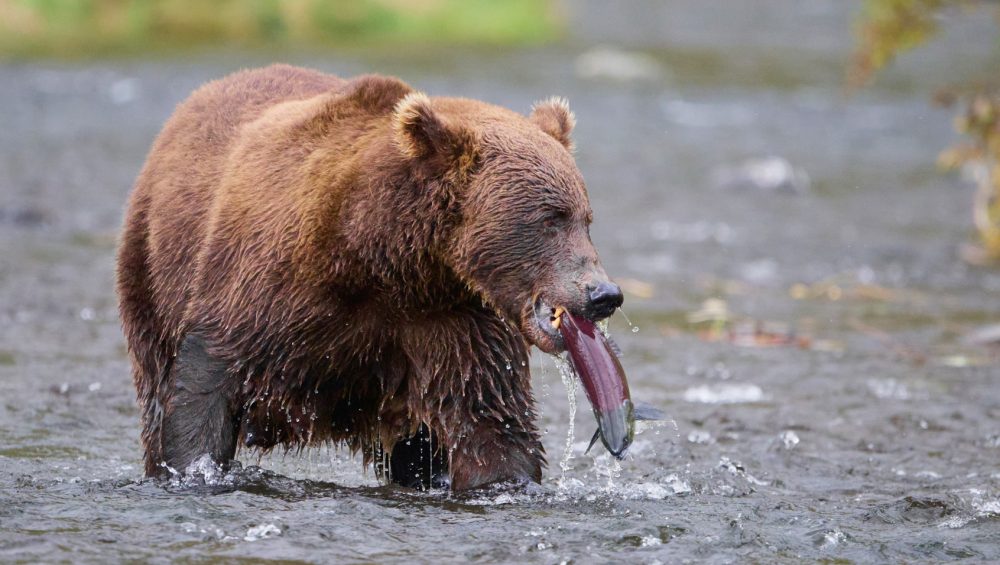
A brown bear stands in a river with water splashing around its legs, holding a large fish in its mouth. The bear’s fur is wet and the background is blurry, showing more water and greenery. Taken by Dan M Lee
Dan M Lee

Genetic Uniqueness

Thousands of years of isolation have resulted in a unique genetic profile for the Kodiak bear. Studies have shown that they have less genetic diversity than other brown bear populations. While this makes them a distinct and fascinating subspecies, it also presents a conservation concern. A lack of genetic diversity can make a population more susceptible to disease and other environmental changes.

The Kodiak brown bear is a truly remarkable animal, shaped by the unique environment of its island home. Their impressive size, rich diet, tolerant nature, and genetic distinctiveness all set them apart from other bears. These magnificent creatures are a testament to the power of evolution and a vital part of the wild and wonderful ecosystem of the Kodiak Archipelago.

bear viewing and fly fishing in Alaska

Ready for an adventure?

Polar Bear vs Kodiak Brown bear

Titans of the North: Kodiak Brown Bears vs. Polar Bears

Polar Bear vs Kodiak Brown bear

When you think of the world’s most powerful bears, two giants often come to mind: the Kodiak brown bear of Alaska’s southern coast and the iconic polar bear of the high Arctic. While both are massive predators, they are masters of entirely different domains. Understanding their differences reveals a fascinating story of evolution and adaptation. Let’s compare these two titans of the north.

Habitat: The Green Isle vs. The White Wilderness

The most striking difference lies in where they call home. The Kodiak brown bear is exclusive to the islands of the Kodiak Archipelago. They thrive in a temperate coastal rainforest, a surprisingly green and lush environment. Their world is one of dense alder thickets, salmon-choked rivers, and mountainsides covered in berry patches. They are creatures of the land, perfectly adapted to navigate this complex and resource-rich landscape.

In stark contrast, the polar bear is a true marine mammal, profoundly tied to the sea ice of the Arctic Circle. Their habitat is a shifting world of ice floes, frigid waters, and snow-covered coastlines. They are built not for forests and mountains, but for a life spent hunting seals on the ice, swimming vast distances, and enduring extreme cold. Their white world is as specialized as the Kodiak’s green one is diverse.

Polar Bear vs Kodiak Brown bear
3,500+ Kodiak Bears
on the Island
8 Maximum
Guests
7,000+ Years of Alutiiq
Heritage
All-inclusive bear viewing from $5,600 pp Book Your Stay

Behavior: An Omnivore's Strategy vs. A Specialist's Hunt

Behaviorally, these bears have evolved to exploit their unique environments. Kodiak bears are the ultimate omnivores. While famous for their incredible salmon feasts during the summer runs, their diet is remarkably varied. They graze on sedges and grasses in the spring, excavate roots, and gorge on a dozen types of berries in late summer and fall. Their behavior is a constant, intelligent search for the most efficient and abundant food source available.

Polar bears, on the other hand, are highly specialized carnivores. Their primary prey is the ringed and bearded seal, which they hunt with immense patience and power at breathing holes in the ice. Their entire life is a cycle of finding and consuming high-fat prey to build the energy reserves needed to survive the harsh Arctic. Unlike the Kodiak’s varied foraging, the polar bear’s behavior is a focused, year-round hunt.

Highest Concentration of bears
Dan M Lee

Paws: Tools for Different Terrains

A look at their paws reveals how perfectly they are equipped for their respective worlds. A Kodiak bear’s paws are enormous, armed with long, sharp claws up to four inches in length. These claws are not retractable and act like digging tools, perfect for excavating roots, tearing into logs for insects, or providing traction when climbing rugged terrain.

A polar bear’s paws are just as impressive but built for a different purpose. They are exceptionally large to distribute weight and act like snowshoes on soft snow and thin ice. The paw pads are covered in rough papillae and bumps to provide a non-slip grip on the ice. Their short, thick, curved claws are not for digging but for hooking onto seals and gaining purchase on slippery surfaces. One is a tool for the earth; the other is a tool for the ice.

From the green forests of Kodiak Island to the frozen plains of the Arctic, these two bear species represent the pinnacle of adaptation, showcasing nature’s ability to shape magnificent creatures for entirely different, yet equally demanding, worlds.

bear viewing and fly fishing in Alaska

Ready for an adventure?

mama-bear-sow-and-cubs-young-dan-m-lee

How Mama Bears Raise Their Cubs

mama bear and cubs kodiak alaska

The life of a bear is one of constant learning and adaptation, and for Kodiak bears, this education begins at birth. The relationship between a mother bear, or sow, and her cubs is a remarkable display of instinct, protection, and patient teaching. It’s a bond that prepares the next generation for survival in the rugged wilderness of the Kodiak Archipelago.

A Den of New Life

Kodiak bear cubs are born in the dead of winter, usually in January or February, while the mother is in her den. Weighing less than a pound at birth, they are blind, nearly hairless, and completely dependent on their mother. The sow’s primary role during this time is to provide warmth and nourishment. Her rich milk allows the cubs to grow rapidly, and by the time they emerge from the den in late spring, they will have grown to a sturdy 15 to 20 pounds.

Sow Female Bear With Young
Dan M Lee

Lessons in the Wild

Once they leave the den, the real education begins. The mother bear becomes a teacher, a protector, and a provider all in one. Her cubs will stay with her for up to three years, learning everything they need to know to survive on their own.

One of the first lessons is what to eat. The sow will show her cubs which plants are safe to eat, where to find nutritious roots, and how to dig for them. When the salmon return to the rivers, she will teach them the art of fishing. This is a critical skill, as salmon is a vital food source that will help them build up the fat reserves needed for their own hibernation one day.

A Fierce Protector

A mother bear is fiercely protective of her cubs. She is constantly on the lookout for danger, whether it’s from other bears, particularly adult males, or other predators. She will not hesitate to defend her young, and her size and strength make her a formidable opponent. This constant vigilance teaches the cubs to be aware of their surroundings and to recognize potential threats.

Want to see Kodiak bears in person? Explore our bear viewing packages →

The Path to Independence

mama bear and cubs kodiak alaska
Dan M Lee

As the cubs grow, they become more independent, but they still rely on their mother for guidance and protection. By their third year, they will have learned all the skills they need to survive on their own. When the time is right, the sow will push them away, forcing them to find their own territory and start their own lives.

The journey from a tiny, helpless cub to a self-sufficient adult bear is a long and challenging one. But thanks to the tireless dedication and unwavering protection of their mothers, Kodiak bear cubs are given the best possible start in life. It’s a testament to the powerful bond between a mother and her young, and a beautiful example of the circle of life in the wild.

bear viewing and fly fishing in Alaska

Ready for an adventure?

duffle bag for flying in a float plane

Mastering the Art of Floatplane Packing

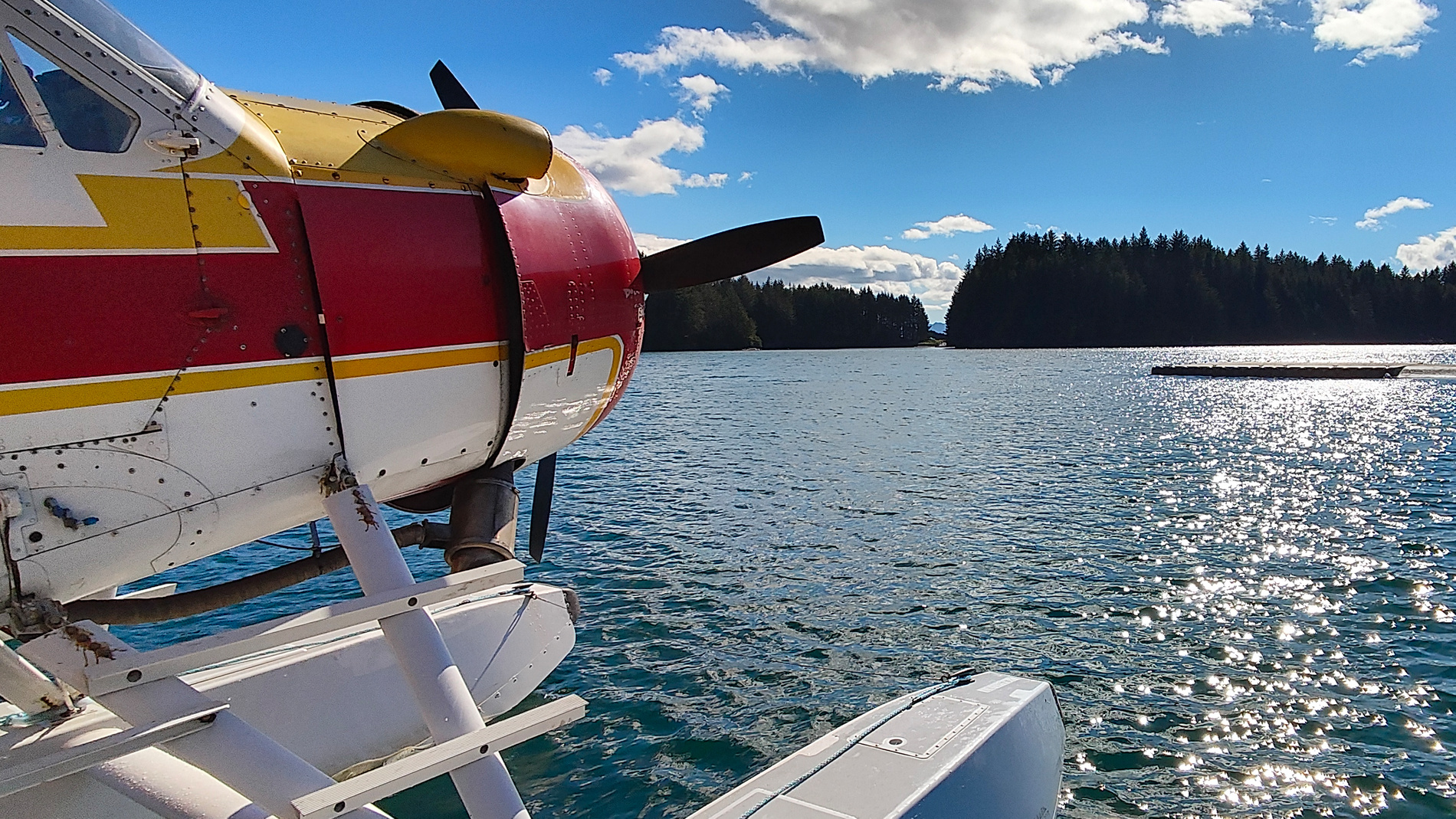
Two people stand on a red dock next to a floatplane on a lake, surrounded by green hills under a cloudy sky. At left, text reads Kodiak Brown Bear Center Lodge with an orange bear paw print.

This isn’t just travel; it’s an integral part of your adventure to the Kodiak Brown Bear Center & Lodge, a journey into the heart of Alaska’s untamed beauty. To ensure a seamless and enjoyable experience, especially when flying with Island Air out of Kodiak, smart packing is absolutely essential. The key to success? Thinking light, thinking layers, and embracing the versatile soft duffle bag.

The Floatplane Factor: Why Less is More (and Soft is Best)

Floatplanes, while offering unparalleled access to remote Alaskan locations like Camp Island, operate under strict weight and space limitations. Island Air, Kodiak, typically allows a free baggage allowance of 40 pounds per person on float scheduled flights. Exceeding this limit may incurring additional fees, so it’s worth checking before you fly. This makes every ounce count and every item a deliberate choice.

This is precisely why a soft duffle bag is your best friend for a floatplane adventure. Unlike rigid suitcases, soft duffles are incredibly pliable, allowing pilots to efficiently load and maneuver them into the aircraft’s often irregularly shaped cargo compartments. They can be squeezed, tucked, and stacked, maximizing the limited space and ensuring a smoother loading process for everyone. Aim for one primary soft duffle and a small, comfortable daypack for essentials you want to keep close.

Layer Up: Your Alaskan Wardrobe Strategy

Alaska’s weather, particularly in remote wilderness areas, is famously unpredictable. You can experience all four seasons in a single day! The secret to comfort is a layered clothing system. Avoid cotton, which loses its insulating properties when wet and takes a long time to dry. Instead, opt for synthetic, wool, or fleece materials that wick away moisture and keep you warm even if damp.

Here’s a breakdown of your essential layers:

  1. Base Layers: Moisture-wicking tops and bottoms (polypropylene, merino wool) worn directly against your skin. Bring a couple of sets.
  2. Mid-Layers: Fleece jackets, wool sweaters, or insulated vests for warmth. These provide adjustable insulation.
  3. Outer Layers (The Non-Negotiable): High-quality, waterproof and windproof rain gear is paramount. Invest in a durable rain jacket with a hood and rain pants (Gore-Tex or similar material is highly recommended). This is your shield against persistent Alaskan drizzles or sudden downpours.

Pro-Tip: Stick to muted earth tones for your outerwear. Bright colors can stand out in the wilderness, which is not ideal when trying to observe wildlife without disturbance.

KBBC
Experience World-Class Bear Viewing
All-inclusive stays from 4 to 8 days on Kodiak Island, Alaska
Check Availability
duffle bag for flying in a float plane
Dan M Lee

Essential Gear for Camp Island: Beyond Clothing

Your adventure at Camp Island, focused on immersing yourself in the Kodiak brown bear habitat, requires a few specialized items to enhance your comfort and experience, we do have a few items for you to use at the lodge but we always recommend bringing your own:

Footwear:

    • Waterproof Camp Shoes: Comfortable, easy-to-slip-on shoes with good grip for around the lodge and in damp conditions.
    • Sturdy Hiking Boots: Broken-in and waterproof, suitable for exploring varied terrain.
    • Waders (Optional but Recommended): If your activities involve crossing creeks or navigating wet coastal areas, chest waders with rubber-soled wading boots (felt soles are prohibited in Alaska to prevent invasive species) are invaluable. Check with the Kodiak Brown Bear Center if waders are provided or recommended for your specific itinerary.

Head & Hand Protection: A warm wool or fleece hat is crucial for heat retention. Waterproof gloves are highly recommended, especially for operating cameras in damp conditions. A brimmed sun/rain hat is also useful.

Personal Care:

    • Insect Repellent: A strong repellent with DEET is highly effective against Alaskan mosquitoes and gnats.
    • Sunscreen and Lip Balm: Even on cloudy days, UV exposure can be significant.
    • Personal Toiletries & Medications: Bring enough for your entire stay. Consider non-scented and biodegradable options where possible.
    • Small First-Aid Kit: For minor cuts, blisters, and personal needs.

Optics & Electronics:

    • Binoculars: A good quality pair will significantly enhance your wildlife viewing experience.
    • Camera Gear: Bring your camera, plenty of extra batteries (cold weather can drain them quickly), and extra memory cards.
    • Headlamp or Small Flashlight: With spare batteries, essential for early mornings or late evenings in the wilderness.

Hydration: A reusable water bottle is a must. The lodge will provide drinking water for refills.

Daypack: A small (20-30L), water-resistant daypack for daily excursions to carry your rain gear, water bottle, camera, and any personal items.

float plane to camp island kodiak
Dan M Lee
Want to see Kodiak bears in person? Explore our bear viewing packages →

Essential Travel Considerations for Flying to Kodiak

Here are a few more tips I have learned from my years of getting in and out of float planes to KBBC;

  • Roll, Don’t Fold: Rolling your clothes saves space and minimizes wrinkles in a soft duffle.
  • Compression Sacks: These can be a lifesaver for bulky items like sleeping bags or puffy jackets, reducing their volume.
  • Plastic Bags/Dry Sacks: Use these to separate wet/dirty clothes from clean ones and to add an extra layer of waterproofing for sensitive items like electronics, especially within your soft duffle.
  • Prioritize: Lay out everything you think you need, then ruthlessly cut it down. Remember Island Air’s 40-pound limit!
  • Inform Island Air: If you anticipate any oversized or exceptionally heavy items (beyond your 40lb allowance), it’s best to communicate with Island Air in advance to make special arrangements.

By carefully considering your packing strategy, prioritizing soft duffle bags, and embracing the layered approach to clothing, you’ll be well-prepared for your floatplane journey to Camp Island. Your focus can then shift entirely to the magnificent bears and the unparalleled wilderness experience that awaits you at the Kodiak Brown Bear Center & Lodge.

Below are some helpful links for further information to help packing in preparation for a floatplane trip.


bear viewing and fly fishing in Alaska

Ready for an adventure?

Several Alaska Airlines planes are parked at an airport gate under a cloudy sky, with a Hawaiian Airlines plane visible on the runway in the background. Ground service vehicles and equipment are nearby.

Your Guide to Reaching Kodiak by Air

how to get to kodiak by air

Kodiak Island is known for its lush green landscapes, and is a jewel nestled in the Gulf of Alaska.

For those dreaming of witnessing the majestic Kodiak brown bear in its natural habitat, embarking on world-class fishing adventures, or simply immersing themselves in unparalleled wilderness, Kodiak is an irresistible destination.

While its remote charm is part of its allure, getting there requires a bit of planning, especially when traveling by air. This comprehensive guide will walk you through everything you need to know about flying to Kodiak Island, ensuring your journey to this Alaskan paradise is as smooth as possible.

Your Gateway: Kodiak Benny Benson State Airport (ADQ)

The primary entry point to Kodiak Island by air is the Kodiak Benny Benson State Airport (ADQ). This bustling regional airport serves as the vital link between Kodiak and the rest of the world.

While you won’t find direct international flights landing here, ADQ is well-connected through key Alaskan hubs, making your journey surprisingly straightforward once you understand the routing.

KBBC
Experience World-Class Bear Viewing
All-inclusive stays from 4 to 8 days on Kodiak Island, Alaska
Check Availability

The Main Connection: Anchorage (ANC)

For most travelers, your aerial adventure to Kodiak will begin with a flight into Anchorage, Alaska’s largest city, and home to Ted Stevens Anchorage International Airport (ANC). Major airlines from across the United United States and beyond offer regular service to Anchorage. Think of Anchorage as your primary stepping stone; nearly all flights to Kodiak originate from here.

Upon arriving in Anchorage, you’ll typically connect to a regional flight bound for Kodiak.

The flight from Anchorage to Kodiak is relatively short, usually lasting between 50 minutes to just over an hour, offering breathtaking aerial views of Alaska’s rugged coastline and dramatic mountains.

Infographic for Anchorage ANC to Kodiak ADQ: Airline—Anchorage Airlines, 1 hr 5 min average flight, 253 miles. Sample itinerary with flight numbers, times, and a bear silhouette at the bottom.
Sample Itinerary - Please Cheack With Alaska Airlines For Current Data - Correct @ 7/4/25

Key Airlines Serving Kodiak

When planning your flights, two main airlines dominate the air routes to Kodiak:

  • Alaska Airlines: This is undoubtedly the most popular choice for travelers heading to Kodiak. Alaska Airlines operates multiple daily direct flights between Anchorage (ANC) and Kodiak (ADQ) using larger aircraft like Boeing 737s. They also offer connections from major cities like Seattle (SEA), allowing for a seamless transfer in Anchorage. Their consistent schedule and robust fleet make them a reliable option for your journey.
  • Ravn Alaska Air: As a partner with Alaska Airlines, Ravn Alaska Air provides additional daily flights from Anchorage to Kodiak. What sets Ravn apart are its turboprop aircraft, which, while smaller, are known for their ability to operate with lesser minimum weather clearances. This can be a significant advantage, especially during periods of challenging Alaskan weather (more on that below). If flexibility and higher chances of on-time departures in less-than-ideal conditions are a priority, Ravn Alaska is an excellent alternative or complement to Alaska Airlines.

Beyond these two main carriers, if your adventure takes you deeper into the Kodiak Archipelago to remote lodges or villages, Island Air Service is a crucial operator. They provide scheduled and charter flights to smaller regional airstrips around Kodiak Island, such as Port Lions (ORI), Old Harbor (OLH), and Larsen Bay (KLN).

While these are typically used for local transfers once on the island, it’s good to be aware of their role if your itinerary involves more remote excursions for bear viewing or fishing.

Several Alaska Airlines planes are parked at an airport gate under a cloudy sky, with a Hawaiian Airlines plane visible on the runway in the background. Ground service vehicles and equipment are nearby.
Dan M Lee

Essential Travel Considerations for Flying to Kodiak

Traveling to Kodiak by air is generally smooth, but a few key considerations can enhance your experience:

1. Factor in Weather Delays

Alaska’s weather is famously unpredictable, and Kodiak is no exception. Fog and high winds can frequently cause flight delays or cancellations, especially on regional routes. While airlines like Ravn Alaska are better equipped for certain conditions, it’s always wise to:

  • Build in buffer time: If you have critical connections or a scheduled tour (like a bear viewing trip), consider arriving in Kodiak a day early. This provides a valuable cushion against unforeseen weather events and allows you to relax and acclimate.
  • Monitor forecasts: Keep an eye on the weather forecast for both Anchorage and Kodiak in the days leading up to your travel.

2. Baggage Allowances

Pay close attention to baggage allowances, especially if you’re connecting to smaller regional carriers or planning to bring fishing gear or specialized camera equipment. While Alaska Airlines generally has standard allowances, smaller planes used by Ravn Alaska or Island Air Service might have stricter weight or size limits. Always check with your specific airline. For instance, Island Air Service typically allows 50 pounds for wheels-scheduled flights and 40 pounds for float flights, with additional baggage sent on a space-available basis.

3. Booking Strategy

When booking, consider purchasing your main flight to Anchorage and your connecting flight to Kodiak as part of a single itinerary if possible. This can sometimes offer better protection in case of delays or missed connections, as airlines are often more accommodating with rebooking. However, if you choose to book separately for flexibility, ensure you have ample layover time in Anchorage—at least 3-4 hours is recommended for peace of mind.

Want to see Kodiak bears in person? Explore our bear viewing packages →

The Journey is Part of the Adventure

Flying to Kodiak Island is more than just a means of transport; it’s an integral part of your Alaskan adventure. From the moment you take off from Anchorage, you’ll be treated to stunning vistas that hint at the wild beauty awaiting you. By understanding the air travel logistics and preparing for potential weather nuances, you’ll ensure a smooth and enjoyable journey to the heart of Kodiak, ready to experience the incredible wildlife and pristine landscapes that make this island truly unforgettable.

Prepare for an experience that will stay with you long after you’ve departed. Kodiak’s call is strong, and with careful planning, reaching its shores by air is the first step toward an extraordinary Alaskan escapade.

Getting to Kodiak Island is just a ride away.

bear viewing and fly fishing in Alaska

Ready for an adventure?