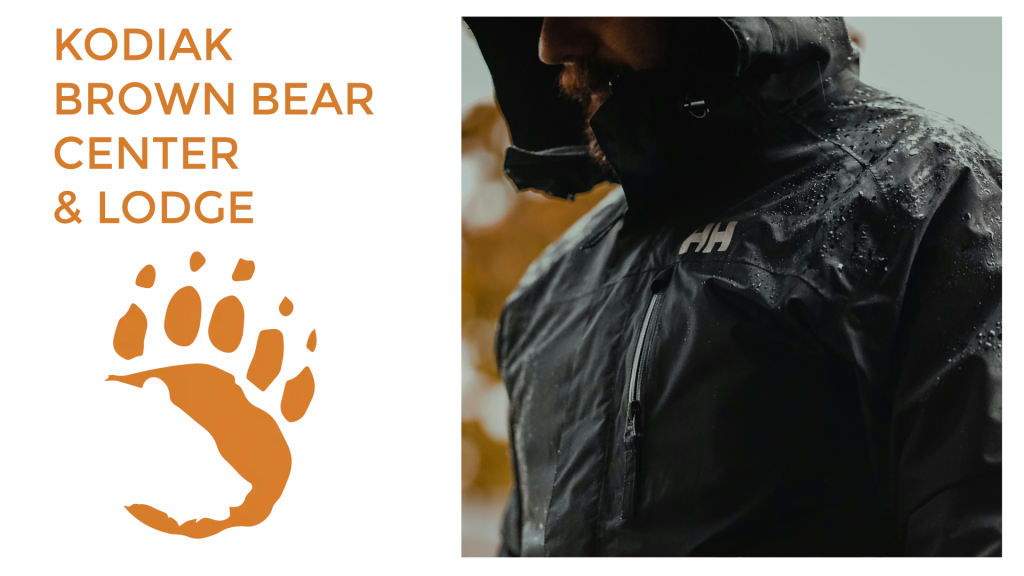
Kodiak Island sits at the meeting point of the Gulf of Alaska and the North Pacific, and the weather here is shaped almost entirely by the sea. That means cool, damp, and changeable — often all in the same afternoon. Locals like to say Kodiak has four seasons in a single day, and they’re not exaggerating. For visitors planning a bear-viewing trip, understanding the rhythm of those seasons is the difference between a good experience and a great one, because the weather doesn’t just affect what you wear — it shapes what the bears are doing.
Spring (March–May): Emergence and Cold Rain
Spring on Kodiak is a slow, wet thaw rather than a sudden bloom. Temperatures climb from the high 20s°F in March into the mid-40s°F by May. Snow lingers on higher slopes well into May, and rain — sometimes mixed with sleet — is the dominant feature at lower elevations. Wind off the Gulf can be biting.
This is when bears emerge from their dens, lean and hungry. Sows with new cubs come down last, often not until mid-May, while large boars are out and moving by April. Sightings are still relatively scarce in early spring, but late-season visitors get a glimpse of bears at their most subdued — grazing on early sedges, scraping winter-killed deer, slowly rebuilding condition before the salmon arrive. Pack waterproofs, layers, and expect mud.
Summer (June–August): The Salmon Window
Summer is Kodiak’s gentlest weather and its peak bear-viewing season. June averages in the mid-50s°F, July and August in the high 50s to low 60s°F. Long daylight hours — up to 18 hours in late June — mean extended viewing windows. Rain is still frequent but lighter and warmer, and stretches of clear weather are common, especially in mid-July.
This is when the salmon return, and Kodiak’s bears come to the streams in numbers. Sockeye runs typically peak in early to mid-July at our viewing locations, with bears fishing from dawn through late evening. The combination of mild weather, long light, and concentrated bear activity makes summer the most reliable time for an exceptional experience. Pack lighter waterproofs, fleece layers, and good rubber boots — the ground is always wet, even when the sky is clear.
Autumn (September–November): Big Bears, Big Weather
Autumn arrives quickly. September is cool and often wet, with temperatures sliding from the mid-50s°F into the 40s°F by month’s end. October brings the first real storms off the Aleutians, with wind, heavy rain, and shorter days. By November, snow returns to the higher elevations and most bears begin moving toward their denning sites.
But early autumn — particularly mid-September through mid-October — is one of the most rewarding times to visit. Bears are at their heaviest weight of the year, gorging on late silver salmon, berries, and remaining sockeye carcasses. The famous Kodiak boars look enormous at this time of year. Hillsides turn gold and red. The trade-off is genuine weather — expect rain on most days and the occasional gale. Visitors who come prepared are rewarded with bears in peak condition and dramatic, moody light that photographers travel a long way for.
The One Constant
Whatever month you visit, two things stay true on Kodiak: the weather will change, and the right gear matters more than the forecast. Quality waterproofs, warm layers, and tall rubber boots will carry you through any season. Bears, after all, don’t take rain days — and the best moments often come right after the worst weather.
Planning a trip? Get in touch with the Kodiak Brown Bear Center for season-by-season guidance and small-group viewing programs tailored to the time of year you visit.

Content Author & Alaska Photographer
I lead photography workshops at the Kodiak Brown Bear Center and create engaging, high-quality content for blogs and websites across Alaska and beyond. My deep passion for wildlife—especially Kodiak bears—continually inspires my work and fuels my storytelling.