
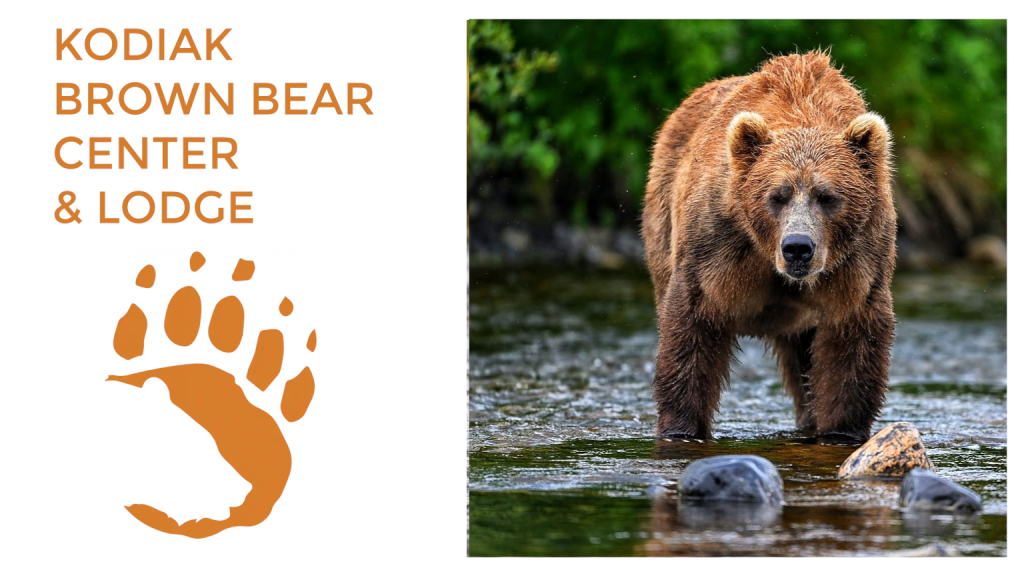
The world of bears is diverse, with each species and subspecies uniquely adapted to its environment. Among these amazing creatures, the Kodiak bear (Ursus arctos middendorffi) stands out as a true giant of the animal kingdom. Native to the islands of the Kodiak Archipelago in Southwestern Alaska, these bears are more than just large brown bears; they are a unique and fascinating subspecies with a story all their own.
So, what exactly sets Kodiak bears apart from their mainland “grizzly” cousins and other bear species?
A World of Their Own: Geographic Isolation and Size
The most striking difference is their sheer size. Kodiak bears are one of the largest bear species in the world, with large males weighing up to 1,500 pounds (be wary of “big fish” stories) and standing over 10 feet tall on their hind legs. This impressive size is a direct result of their unique island habitat.
For approximately 12,000 years, since the last ice age, Kodiak bears have been isolated from their mainland relatives. This isolation has led to a distinct genetic makeup and a lack of competition for resources.
The Kodiak Archipelago provides a rich and abundant food supply, allowing these bears to reach their colossal proportions. Unlike the interior grizzly bear, which has to roam vast territories to find food, Kodiak bears have everything they need in a relatively small area. This abundance has not only influenced their size but also their behavior.

A Rich and Varied Diet
Kodiak bears are omnivores, with a diet that changes with the seasons. In the spring, they graze on newly sprouted grasses and other vegetation. As the year progresses, they turn to a variety of food sources, including berries, roots, and seaweed.
However, the cornerstone of the Kodiak bear’s diet is salmon. The Kodiak Archipelago is home to five species of Pacific salmon, which return to the islands’ rivers and streams to spawn from May through September. This seasonal influx of protein-rich fish is crucial for the bears’ survival, allowing them to build up the necessary fat reserves to last through the winter. This is a key difference from other bear populations that may not have access to such a reliable and high-calorie food source.
A More Social and Tolerant Bear
While most bears are solitary creatures, Kodiak bears are known to congregate in large groups, especially during the salmon runs. This is a remarkable social behavior that is not as common in other bear populations. Because food is so plentiful, there is less competition and aggression between individuals. They have developed a complex social structure and communication system to minimize conflict in these crowded feeding areas.
Compared to their grizzly relatives, Kodiak bears are generally considered to have a more easygoing temperament. While any wild animal should be treated with respect and caution, Kodiak bears are less likely to be aggressive towards humans unless they feel threatened or their cubs are in danger.

Genetic Uniqueness
Thousands of years of isolation have resulted in a unique genetic profile for the Kodiak bear. Studies have shown that they have less genetic diversity than other brown bear populations. While this makes them a distinct and fascinating subspecies, it also presents a conservation concern. A lack of genetic diversity can make a population more susceptible to disease and other environmental changes.
The Kodiak brown bear is a truly remarkable animal, shaped by the unique environment of its island home. Their impressive size, rich diet, tolerant nature, and genetic distinctiveness all set them apart from other bears. These magnificent creatures are a testament to the power of evolution and a vital part of the wild and wonderful ecosystem of the Kodiak Archipelago.

Content Author & Alaska Photographer
I lead photography workshops at the Kodiak Brown Bear Center and create engaging, high-quality content for blogs and websites across Alaska and beyond. My deep passion for wildlife—especially Kodiak bears—continually inspires my work and fuels my storytelling.