Polar Bear vs Kodiak Brown bear

Titans of the North: Kodiak Brown Bears vs. Polar Bears

Polar Bear vs Kodiak Brown bear

When you think of the world’s most powerful bears, two giants often come to mind: the Kodiak brown bear of Alaska’s southern coast and the iconic polar bear of the high Arctic. While both are massive predators, they are masters of entirely different domains. Understanding their differences reveals a fascinating story of evolution and adaptation. Let’s compare these two titans of the north.

Habitat: The Green Isle vs. The White Wilderness

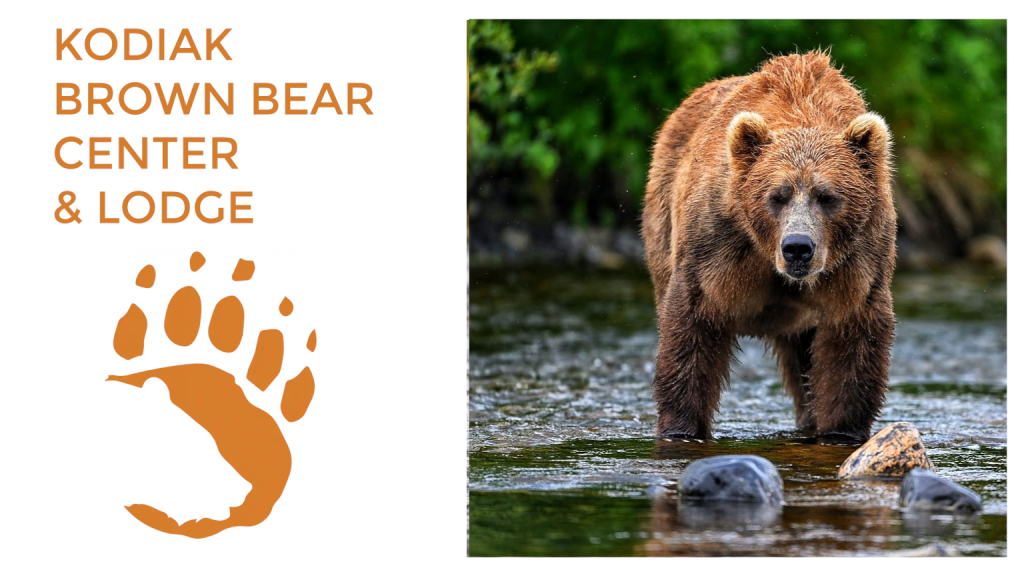
The most striking difference lies in where they call home. The Kodiak brown bear is exclusive to the islands of the Kodiak Archipelago. They thrive in a temperate coastal rainforest, a surprisingly green and lush environment. Their world is one of dense alder thickets, salmon-choked rivers, and mountainsides covered in berry patches. They are creatures of the land, perfectly adapted to navigate this complex and resource-rich landscape.

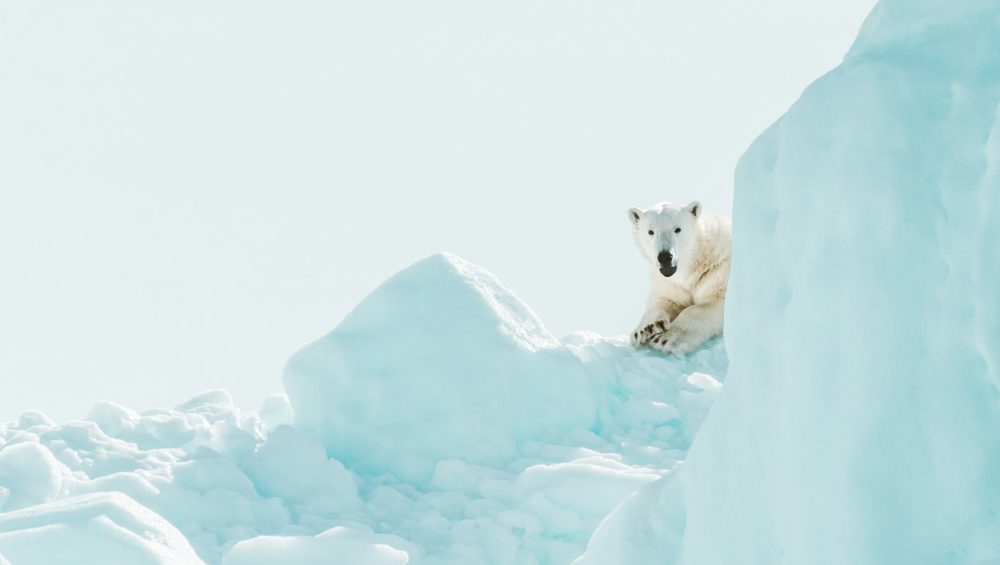
In stark contrast, the polar bear is a true marine mammal, profoundly tied to the sea ice of the Arctic Circle. Their habitat is a shifting world of ice floes, frigid waters, and snow-covered coastlines. They are built not for forests and mountains, but for a life spent hunting seals on the ice, swimming vast distances, and enduring extreme cold. Their white world is as specialized as the Kodiak’s green one is diverse.

Polar Bear vs Kodiak Brown bear
3,500+ Kodiak Bears
on the Island
8 Maximum
Guests
7,000+ Years of Alutiiq
Heritage
All-inclusive bear viewing from $5,600 pp Book Your Stay

Behavior: An Omnivore's Strategy vs. A Specialist's Hunt

Behaviorally, these bears have evolved to exploit their unique environments. Kodiak bears are the ultimate omnivores. While famous for their incredible salmon feasts during the summer runs, their diet is remarkably varied. They graze on sedges and grasses in the spring, excavate roots, and gorge on a dozen types of berries in late summer and fall. Their behavior is a constant, intelligent search for the most efficient and abundant food source available.

Polar bears, on the other hand, are highly specialized carnivores. Their primary prey is the ringed and bearded seal, which they hunt with immense patience and power at breathing holes in the ice. Their entire life is a cycle of finding and consuming high-fat prey to build the energy reserves needed to survive the harsh Arctic. Unlike the Kodiak’s varied foraging, the polar bear’s behavior is a focused, year-round hunt.

Highest Concentration of bears
Dan M Lee

Paws: Tools for Different Terrains

A look at their paws reveals how perfectly they are equipped for their respective worlds. A Kodiak bear’s paws are enormous, armed with long, sharp claws up to four inches in length. These claws are not retractable and act like digging tools, perfect for excavating roots, tearing into logs for insects, or providing traction when climbing rugged terrain.

A polar bear’s paws are just as impressive but built for a different purpose. They are exceptionally large to distribute weight and act like snowshoes on soft snow and thin ice. The paw pads are covered in rough papillae and bumps to provide a non-slip grip on the ice. Their short, thick, curved claws are not for digging but for hooking onto seals and gaining purchase on slippery surfaces. One is a tool for the earth; the other is a tool for the ice.

From the green forests of Kodiak Island to the frozen plains of the Arctic, these two bear species represent the pinnacle of adaptation, showcasing nature’s ability to shape magnificent creatures for entirely different, yet equally demanding, worlds.

bear viewing and fly fishing in Alaska

Ready for an adventure?

mama-bear-sow-and-cubs-young-dan-m-lee

How Mama Bears Raise Their Cubs

mama bear and cubs kodiak alaska

The life of a bear is one of constant learning and adaptation, and for Kodiak bears, this education begins at birth. The relationship between a mother bear, or sow, and her cubs is a remarkable display of instinct, protection, and patient teaching. It’s a bond that prepares the next generation for survival in the rugged wilderness of the Kodiak Archipelago.

A Den of New Life

Kodiak bear cubs are born in the dead of winter, usually in January or February, while the mother is in her den. Weighing less than a pound at birth, they are blind, nearly hairless, and completely dependent on their mother. The sow’s primary role during this time is to provide warmth and nourishment. Her rich milk allows the cubs to grow rapidly, and by the time they emerge from the den in late spring, they will have grown to a sturdy 15 to 20 pounds.

Sow Female Bear With Young
Dan M Lee

Lessons in the Wild

Once they leave the den, the real education begins. The mother bear becomes a teacher, a protector, and a provider all in one. Her cubs will stay with her for up to three years, learning everything they need to know to survive on their own.

One of the first lessons is what to eat. The sow will show her cubs which plants are safe to eat, where to find nutritious roots, and how to dig for them. When the salmon return to the rivers, she will teach them the art of fishing. This is a critical skill, as salmon is a vital food source that will help them build up the fat reserves needed for their own hibernation one day.

A Fierce Protector

A mother bear is fiercely protective of her cubs. She is constantly on the lookout for danger, whether it’s from other bears, particularly adult males, or other predators. She will not hesitate to defend her young, and her size and strength make her a formidable opponent. This constant vigilance teaches the cubs to be aware of their surroundings and to recognize potential threats.

Want to see Kodiak bears in person? Explore our bear viewing packages →

The Path to Independence

mama bear and cubs kodiak alaska
Dan M Lee

As the cubs grow, they become more independent, but they still rely on their mother for guidance and protection. By their third year, they will have learned all the skills they need to survive on their own. When the time is right, the sow will push them away, forcing them to find their own territory and start their own lives.

The journey from a tiny, helpless cub to a self-sufficient adult bear is a long and challenging one. But thanks to the tireless dedication and unwavering protection of their mothers, Kodiak bear cubs are given the best possible start in life. It’s a testament to the powerful bond between a mother and her young, and a beautiful example of the circle of life in the wild.

bear viewing and fly fishing in Alaska

Ready for an adventure?

5 myths about bears-busted

Beyond the Roar: 5 Common Myths About Kodiak Bears Debunked

5 Myths About Bears - Busted

Kodiak bears, the giants of Alaska’s Kodiak Archipelago, hold a powerful mystique.

Their sheer size and wild habitat often lead to misconceptions. While they are indeed formidable creatures, many popular beliefs about them are far from the truth. Let’s debunk five common myths about Kodiak bears and uncover the fascinating reality of these incredible animals.

Myth 1: Kodiak Bears Are Inherently Aggressive Towards Humans

Perhaps the most pervasive myth is that Kodiak bears are “man-eaters” constantly seeking confrontation.

The reality is quite the opposite. Kodiak bears, like most wildlife, generally prefer to avoid human contact. Most dangerous encounters occur when a bear is surprised, defending cubs, or protecting a food source. They are not naturally predatory towards humans. In fact, there has been only one fatal attack by a Kodiak bear since 1921.

Kodiak bears exhibit complex communication, including body language and vocalizations.

A bear standing on its hind legs, for instance, is usually trying to get a better view, not preparing to charge.

Bluff charges – where a bear charges but veers off at the last second – are also common warnings designed to scare you away, not to inflict harm. Understanding their behavior is key to safe coexistence.

KBBC
Experience World-Class Bear Viewing
All-inclusive stays from 4 to 8 days on Kodiak Island, Alaska
Check Availability
Dan M Lee in an orange jacket sits on rocks near a riverbank, photographing or observing a brown bear in the grass across the water, surrounded by green vegetation.
Dan M Lee

Myth 2: Their Diet Consists Solely of Salmon

While the iconic image of a Kodiak bear snatching salmon from a rushing river is accurate, it’s a misconception to think that’s all they eat. Kodiak bears are true omnivores, meaning their diet is incredibly diverse and changes with the seasons.

In spring and early summer, they feast on grasses, sedges, and other emerging vegetation.

As berries ripen in late summer and fall, these form a significant part of their diet, helping them pack on crucial fat reserves for winter denning. They also consume roots, insects, and even carrion. Salmon is a vital protein source during the spawning runs, but it’s just one piece of their elaborate menu.

Their varied diet is a testament to their adaptability and the rich ecosystem of Kodiak Island.

Bears Fishing in Groups
Dan M Lee

Myth 3: Kodiak Bears Are the Largest Land Carnivores on Earth

This is a common “fact” often repeated, but it’s only partially true. While Kodiak bears are the largest subspecies of brown bear and can reach impressive sizes (some males weighing over 1,500 pounds and standing 10 feet tall on their hind legs), the polar bear (Ursus maritimus) holds the title for the largest land carnivore.

It’s a close contest, and there can be overlap in size, especially with exceptionally large Kodiak bears.

However, on average, polar bears tend to be slightly heavier and longer. Regardless, both are incredibly massive and awe-inspiring animals.

Myth 4: They Roam Vast, Defined Territories

Unlike some other bear species or individual bears in areas with scarce resources, Kodiak bears typically have relatively small home ranges. This is largely due to the sheer abundance of food available on the Kodiak Archipelago. When food sources like salmon streams or berry patches are concentrated, multiple bears can gather in close proximity without significant conflict, forming what appear to be social groupings, but are primarily opportunistic feeding congregations.

While they don’t defend rigid territories, they do have traditional areas they utilize year after year. Their adaptable nature allows them to thrive within these smaller ranges, making the most of the island’s rich offerings.

Want to see Kodiak bears in person? Explore our bear viewing packages →

Myth 5: All Kodiak Bears Hibernate Deeply Throughout Winter

The image of bears in a deep, uninterrupted slumber for months is common, but it’s not universally true for Kodiak bears. While pregnant sows are the first to enter their dens and typically remain there until their cubs emerge in late spring, some adult males and non-breeding bears may have shorter denning periods or even forgo denning entirely in milder winters, especially in areas where food sources remain accessible.

Researchers are particularly fascinated by their ability to undergo this extended period of inactivity without significant muscle or bone mass loss, a phenomenon that has implications for human health in space travel and bedridden patients.

By shedding light on the true nature of Kodiak bears, we can foster a greater appreciation for these magnificent creatures and promote responsible interactions in their wild home. They are not just symbols of raw power, but complex, adaptable, and largely peaceful inhabitants of one of Alaska’s most incredible wildernesses.

bear viewing and fly fishing in Alaska

Ready for an adventure?